RELIABLE SNOW REMOVAL
Louisville Snow Removal Elite
(720) 961-8826
Our snow removal services help homeowners, businesses, property managers, and multi-unit properties keep important outdoor areas easier to use throughout winter. We provide residential driveway plowing and clear sidewalks, walkways, parking lots, entrances, and other access points affected by snow and ice. Whether you need one-time help after a storm or recurring service, we build our approach around your property and priorities. Winter conditions can change quickly along Colorado's Front Range. Fresh snowfall may be followed by sunshine, melting, colder temperatures, and refreezing, creating a different set of problems from one day to the next. We help you manage those changing conditions with practical clearing, plowing, and ice-control services.
What We Offer
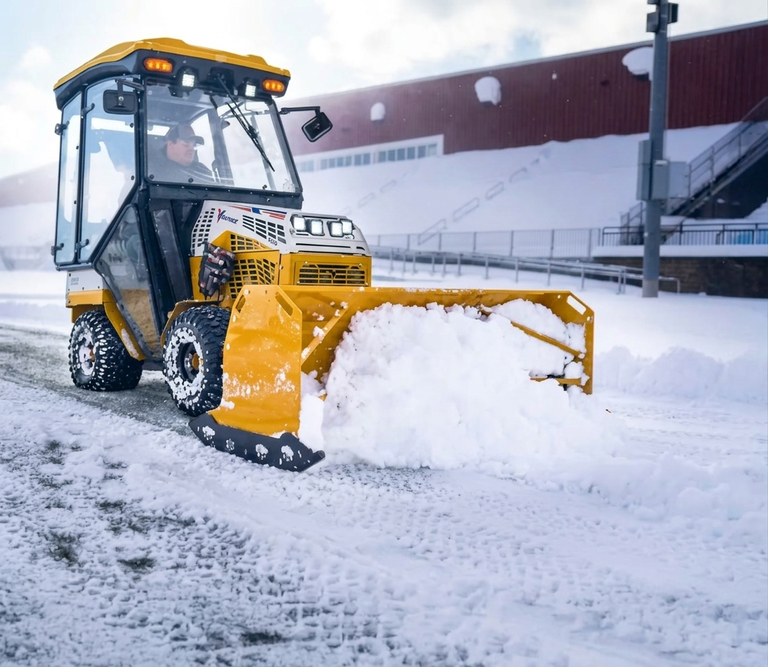
We provide winter maintenance solutions for residential and commercial properties. From clearing narrow access points to managing larger outdoor areas, we tailor our approach to each location, helping customers maintain accessibility and reduce the inconvenience of accumulated snowfall.
Explore Our Services
Snow Removal Services
A buried driveway can make leaving home frustrating before your day even begins. We help homeowners clear important access areas, making room for vehicles and everyday activities while reducing the physical effort required to manage snowfall around their properties.
Businesses need outdoor areas that support customers, deliveries, and employee access throughout winter. We work with commercial properties to address accumulated snow around entrances and frequently traveled routes, helping owners maintain more convenient access during periods of challenging weather.
Parking facilities require careful clearing to accommodate vehicles and changing traffic patterns. We focus on removing snow from driving lanes, entrances, and designated parking sections while considering available storage areas, nearby obstacles, and the property's regular daily operations and needs.
Footpaths can become difficult to use when fresh snowfall covers familiar routes. We clear sidewalks, connecting paths, and building approaches to help pedestrians move more comfortably, giving property owners a practical way to address seasonal buildup around busy outdoor spaces.
Snow Removal Near Me
When snowfall starts piling up, having a plan for your property makes all the difference. We offer snow removal services designed around residential and commercial needs, along with seasonal property maintenance considerations such as pool filter cleaning. Whether you're managing a family driveway, business entrance, or parking facility, we're here to discuss suitable clearing options. Reach out today to learn how we can help you spend less time worrying about winter maintenance and more time focusing on your priorities.
PROVEN RELIABILITY
Why Property Owners Choose Our Crews
• Dependable response. We track every snow storm from the first forecast, schedule crews in advance, and work through our routes in a clear priority order so you are never left guessing when we will arrive.
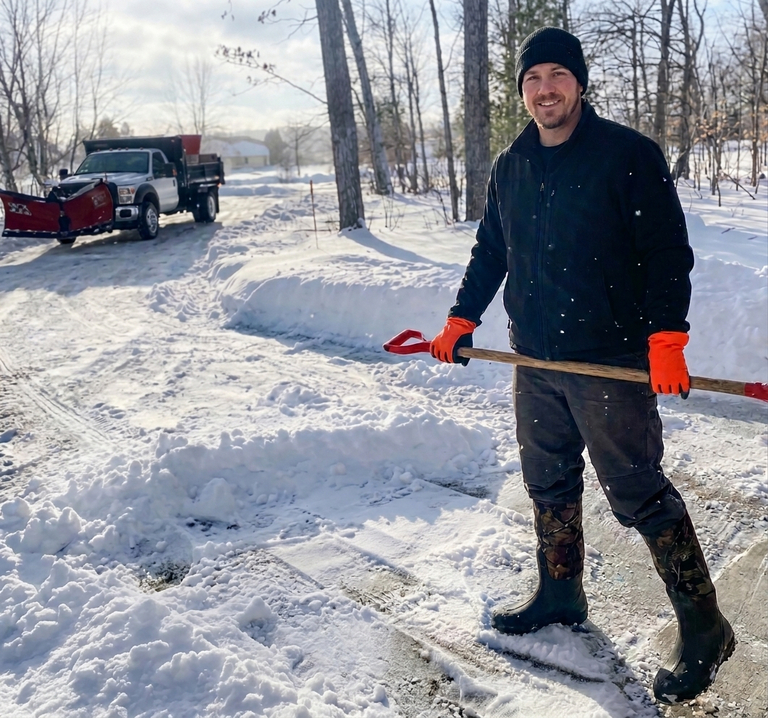
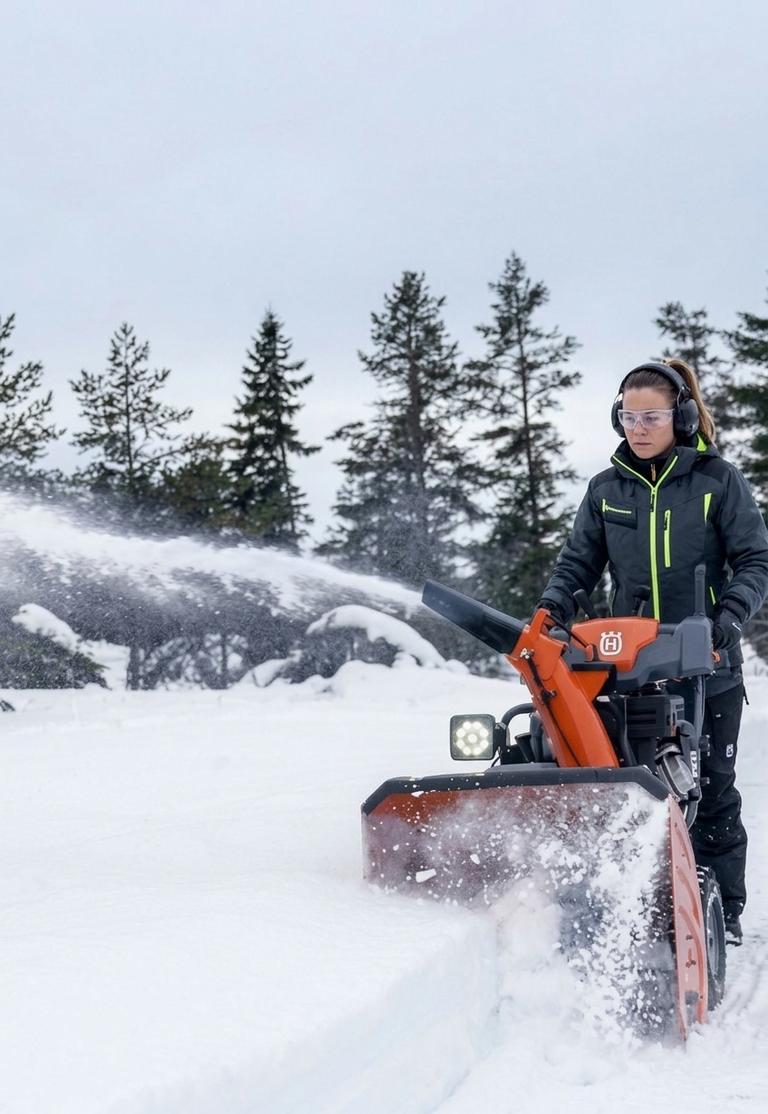
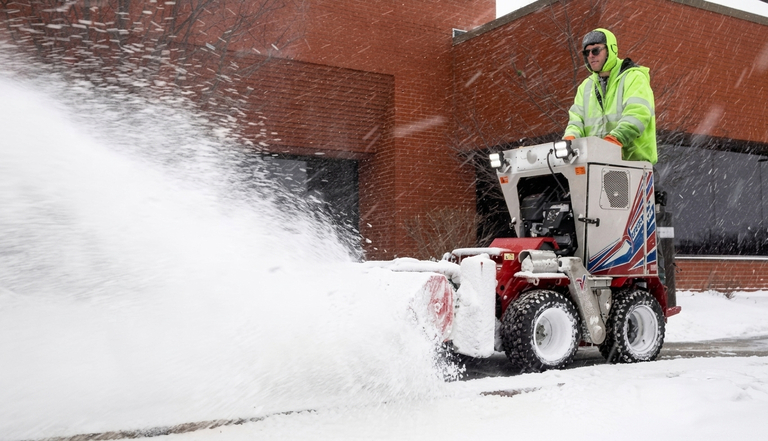
• Right-sized equipment. Compact snow plows and walk-behind snow blowers handle tight driveways and walkways, while larger trucks and loaders clear big commercial lots and shared HOA streets.
• Clear communication. You will know what to expect from the first quote to the final visit, including trigger depths, service windows, and exactly what is included in every pass.
• Honest, upfront pricing. Seasonal contracts and per-visit options are priced in writing before the first storm, with no surprise fees buried in an invoice.
• Safety-minded work. We treat icy walkways, blocked fire lanes, and buried accessible parking spaces as safety issues, not just inconveniences, and we clear them that way.
• Respect for your property. Our snow operators plow around landscaping, curbs, parked cars, and sprinkler heads with care, and we flag hard-to-see obstacles before the first storm of the season.
LOCAL WINTER CONDITIONS
Why Winter Here Demands a Local Plan
Clearing a driveway in a mild climate is a very different job from handling a mountain-adjacent winter. At roughly 5,300 feet, with the Rockies close by, the weather in this part of Boulder County can swing from bright sun to a blinding storm in a matter of hours. A good snow plan has to account for that, and a good snow crew has to know it by heart.
Wet, heavy spring storms. March and April often bring the heaviest accumulation of the year. Spring snow carries a lot of water, which makes it dense, hard to push, and tough on shovels and backs. It also clings to branches and power lines, so cleanup after a storm is rarely quick.
Rapid melt and refreeze. Sunny afternoons soften a fresh layer, and freezing nights lock it into ice. Driveways, shaded cul-de-sacs, and north-facing walkways can stay slick long after the snowfall ends. Our crews pay attention to meltwater and treat problem areas before the evening freeze.
Wind and drifting. Open ground near Davidson Mesa and along Highway 42 gives the wind room to move snow around. A lot that was clear at midnight can have snow drifts across its entrance by dawn. We plan return visits when the forecast shows strong gusts after a storm.
Early and late storms. Fall and spring both bring the occasional surprise snow, often when trees are still leafed out or landscaping is tender. We plan for early and late snow by marking obstacles and adjusting our methods when the ground is not yet frozen.
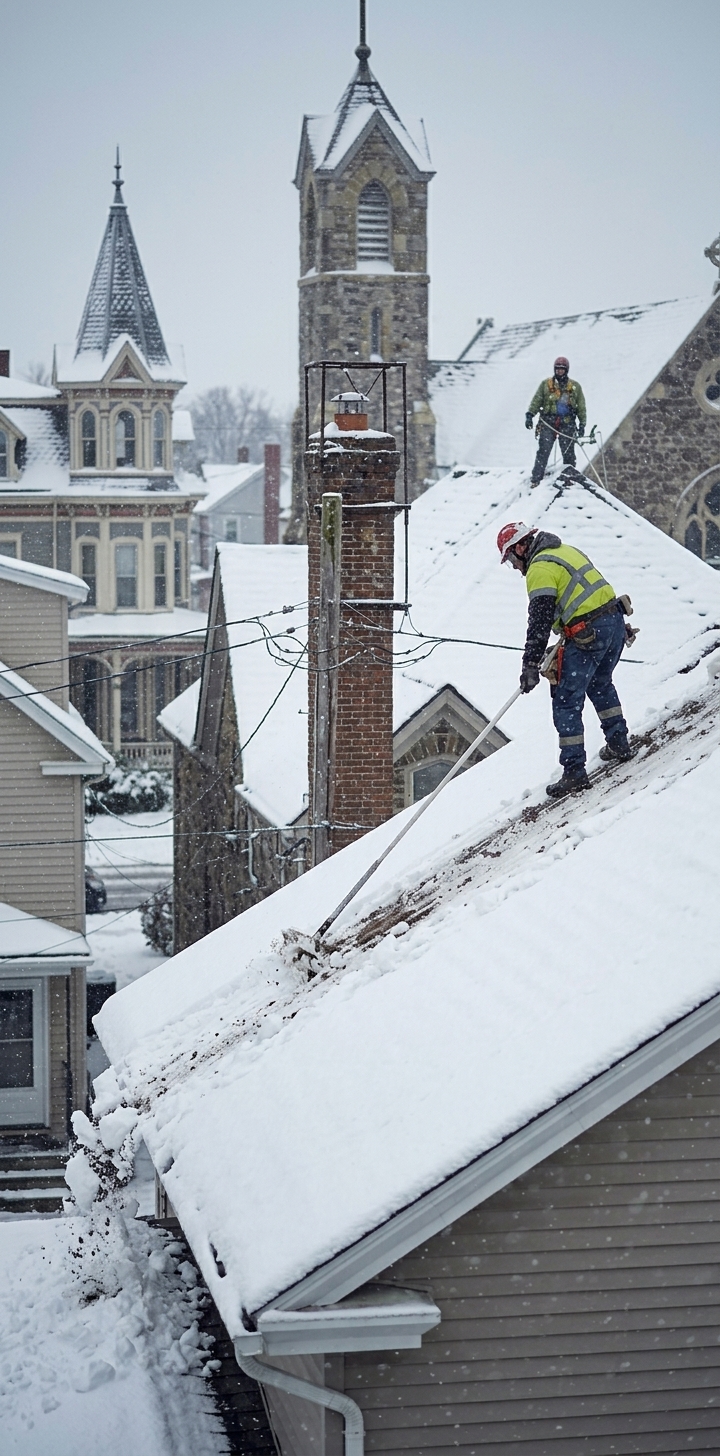
OUR SERVICES
Our residential snow removal services help homeowners keep driveways, sidewalks, walkways, and other outdoor areas accessible throughout winter. We understand how quickly Colorado snowfall can disrupt daily routines, making it difficult to leave for work, welcome visitors, or safely navigate your property. Our team focuses on clearing accumulated snow, reducing slippery conditions, and making winter maintenance more manageable. Whether you need driveway snow plowing, sidewalk clearing, or seasonal snow removal, we provide practical solutions tailored to your property's needs. Let us handle the heavy snow so you can enjoy greater convenience during winter.
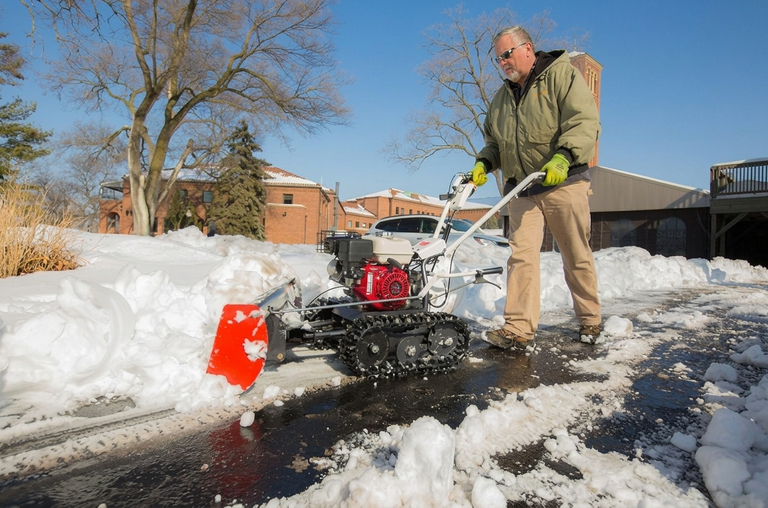
Commercial Snow Removal
Our commercial snow removal services help businesses maintain accessible parking lots, driveways, sidewalks, and commercial entrances during winter weather. We understand that snow accumulation can interrupt operations, discourage customers, and create hazardous conditions for employees and visitors. Our services include parking lot snow plowing, walkway clearing, and snow management solutions tailored to commercial properties. Whether you manage a retail store, office building, warehouse, or business complex, we focus on reducing winter disruptions and improving accessibility. We help property owners and managers prepare for snowy conditions while keeping their business locations functional throughout the winter season.
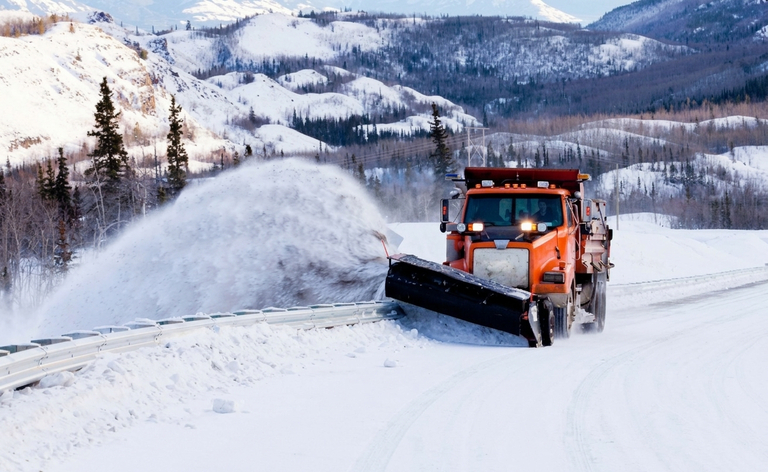
Parking Lot Snow Plowing
Our parking lot snow plowing services help businesses maintain accessible parking areas during heavy snowfall and changing winter conditions. We clear accumulated snow from commercial parking lots, vehicle entrances, driving lanes, and designated access areas to help reduce disruptions and improve traffic flow. Whether you manage a shopping center, office complex, restaurant, or industrial property, we provide snow plowing solutions based on your property's layout and operational needs. Our goal is to minimize snow buildup, support safer vehicle movement, and keep parking spaces usable. Count on us to make commercial winter maintenance more manageable.
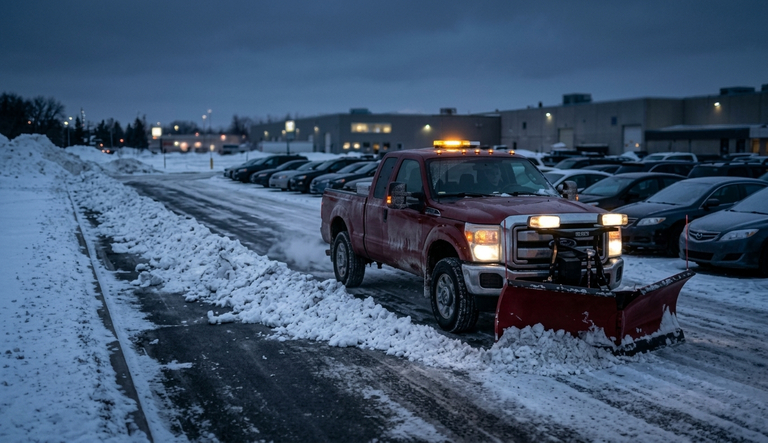
Sidewalk & Walkway Snow Clearing
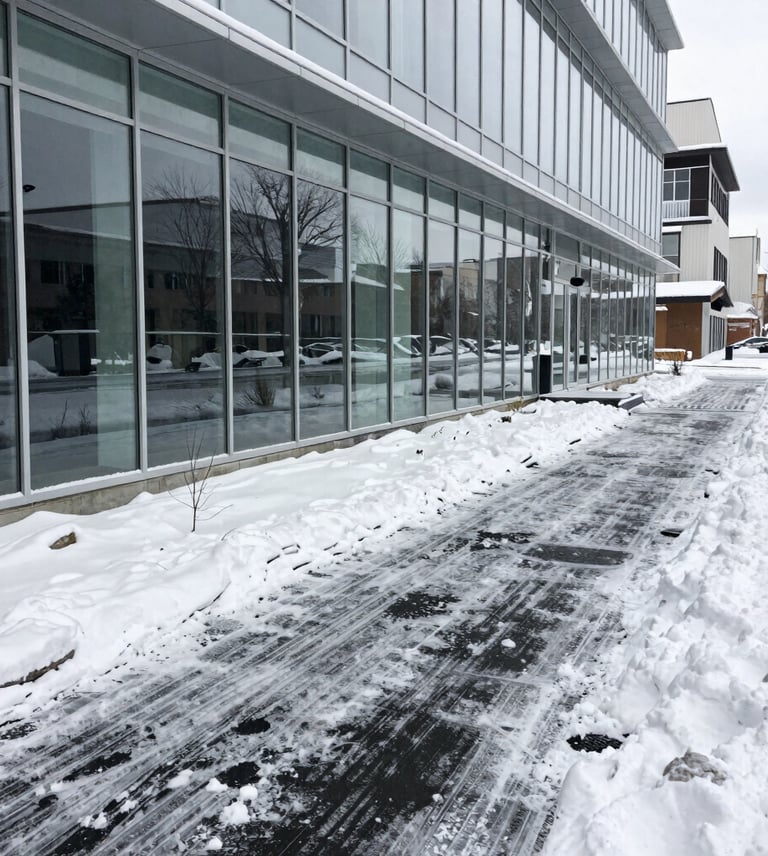
Our sidewalk and walkway snow clearing services help homeowners and businesses maintain accessible pedestrian paths throughout the winter season. Snow accumulation can make sidewalks, entryways, and walking routes difficult to navigate, especially during freezing temperatures. We remove accumulated snow from residential walkways, commercial sidewalks, building entrances, and other pedestrian areas to improve accessibility and reduce slipping hazards. Whether you need clearing after a winter storm or ongoing seasonal maintenance, we provide practical solutions suited to your property. Our goal is to make outdoor movement easier while helping you manage Colorado's challenging winter weather conditions.
One-Time Snow Removal
Not every property needs scheduled service all winter.
One-time snow removal may be useful when
A larger storm arrives
You are away from home
Snow has accumulated faster than expected
A property needs cleanup before visitors arrive
Existing buildup has become difficult to manage
A business needs help after a specific event
We can focus on the areas creating the biggest disruption and help restore practical access.
Recurring Snow Removal Service
Recurring service can make winter maintenance more predictable. Instead of waiting until buildup becomes difficult, a recurring plan can help manage conditions throughout the season.
This may be useful for:
Homes with long driveways
Commercial properties
Apartment communities
Managed properties
Businesses with regular customer traffic
Properties with large pedestrian areas
We can discuss the areas you want prioritized and how frequently support may be needed.
Common Service Type:
| Service | Typical Property | Relative Scope |
|---|---|---|
| Small Driveway Clearing | Residential | Lower |
| Driveway And Walkway Clearing | Residential | Low to Medium |
| Commercial Sidewalk Service | Business | Medium |
| Parking Lot Plowing | Commercial | Medium to Higher |
| Multi-Unit Property Clearing | Managed Property | Higher |
| Recurring Winter Service | Residential or Commercial | Varies |
| Deicing And Ice Management | Any Property | Varies |
Preparing Your Property Before Snow Service
A few simple steps can help make clearing more efficient.
Before service, consider:
Moving vehicles when possible
Bringing in loose outdoor items
Marking hard-to-see edges
Unlocking necessary gates
Identifying preferred snow storage areas
Letting us know about hidden obstacles
Pointing out priority entrances
Preparation becomes especially useful when snow begins covering curbs, landscaping borders, and other features that are easy to see in warmer weather.
Choosing A Snow Removal Contractor In Louisville
The right provider should understand more than how to push snow.
Discuss Your Priority Areas
Explain which driveways, sidewalks, entrances, parking rows, or access routes matter most.
Ask About Snow Placement
Where accumulation is stored can affect the property later in the season.
Discuss Ice Concerns
Some areas may need treatment after snow is removed.
Clarify Service Timing
Understand whether your plan is one-time, recurring, or based on storm conditions.
Explain Property Access
Gates, parked vehicles, loading zones, and narrow areas can affect the service approach.
Ask What Is Included
Make sure you understand which surfaces and cleanup tasks are part of the agreed service.
Our Snow Removal Process
Every property layout is unique, so we customize our snow removal approach around your specific site plan to keep your most critical areas safe and accessible
Step 1: Identify The Areas That Matter Most
We begin by learning which parts of the property need to stay functional after a storm.
Step 2: Review Access And Snow Storage
We consider where equipment can move and where cleared snow can reasonably be placed.
Step 3: Clear Main Vehicle Routes
Driveways, parking lanes, and entrances are addressed based on the property plan.
Step 4: Open Pedestrian Areas
Sidewalks, walkways, steps, and entrances are cleared according to the agreed scope.
Step 5: Address Ice Where Included
Problem areas may receive deicing or ice-management attention when part of the service.
Step 6: Review The Property
We check priority areas and adjust remaining buildup where practical before completing the visit.
Snow Removal Mistakes That Cost Property Owners Money
Even a simple job can go wrong in a Louisville winter. Here are the most common problems we see, and how a professional plan avoids them.
Waiting too long to clear. Fresh snow is easy to move. Snow that has been driven on, melted, and refrozen turns into packed ice that is slow and costly to remove. Clearing early saves time and money.
Pushing snow into the wrong place. Piles that block a drain, bury a hydrant, or sit on a neighbor's driveway cause trouble when the snow melts. We plan snow storage before the season begins
Using too much ice melt. Heavy applications can harm concrete, landscaping, and pets without improving traction. Measured treatment works better.
Ignoring shaded areas. Snow melts slowly in shade, and runoff refreezes quickly. North-facing walks and covered entrances need extra attention
Hiring a plow with no backup plan. When the storm is big, a single truck cannot cover every property. A real snow plan includes backup equipment and a clear priority list.
Shoveling it all yourself. Moving wet snow is hard on the heart and the back, especially for older adults. Letting a crew do the heavy lifting is the safer choice.
Snow Removal for Louisville Homes, HOAs, and Businesses
Our customers range from single-driveway homeowners to multi-building commercial sites, and the snow challenges are different for each. Homeowners in Louisville want a clear path before the morning rush, with a driveway plowed without damage to landscaping.
HOA boards want consistent snow service for shared streets, mailbox areas, and common walks. Business owners want customers to find an open, safe, well-lit entrance on the first morning after a storm.
Property managers often ask for simplicity: one contract, one contact, and one set of standards across several sites. We provide that. Whether you manage one building or a dozen, our snow plans are built to be easy to understand and easy to renew.
Snow Removal Services FAQs
How soon do you clear properties in Old Town and around Main Street after a storm?
We start snow clearing once your agreed trigger depth is reached, and routes are ordered by priority and contract terms. Older streets near downtown can have tight parking, so we coordinate timing to clear around parked cars whenever possible. Call us for the snow response window that applies to your address.
Can you handle steep or shaded driveways near Davidson Mesa and the Coal Creek Trail corridor?
Yes. Slopes and shaded spots are where ice forms first and lingers longest. We use the right equipment for grade, plow carefully to avoid sliding, and treat problem areas after clearing to slow refreezing. If your driveway is especially steep, tell us when you request a quote.
How do you deal with the heavy, wet snow we get in March and April?
Spring snow storms are dense, so we use stronger equipment, take smaller passes where needed, and allow more time per property. Heavy snow can also hide curbs and landscaping, so we mark edges before the season. If a storm drops more than your plan covers, we will explain how the visit is handled.
Do you plan routes for HOA communities like Steel Ranch and Coal Creek Ranch?
We build routes for shared drives, cul-de-sacs, mailbox areas, and common walkways, and we work with boards and managers on written scopes. Many HOAs prefer a seasonal contract so the whole community gets consistent service, and we are happy to provide a proposal.
What happens when wind blows drifts back across the lot along Highway 42 or McCaslin Boulevard?
Open stretches near those corridors can drift shut quickly. We watch the wind forecast, and a seasonal plan can include return visits after a storm to reopen entrances and drive lanes. Tell us if your property is exposed and we will plan for it.
Does the city require me to clear my sidewalk, and can you do it for me?
Municipal rules for clearing snow from walks after a storm are set by the city, so check the current code for your address. As in most cities, the property owner or occupant is generally responsible for the walk in front of the property. We can clear your sidewalks and entrances on a schedule that helps you stay compliant.
Ready for Winter? Let's Talk
You cannot control the snow, but you can control who handles it. If you are looking for dependable snow removal that treats your property like it matters, we would love to earn your business. Tell us about your driveway, your lot, or your walkways, and we will put together a clear plan and a fair price.
Louisville Snow Removal Elite provides dependable snow removal services to help keep driveways, parking lots, sidewalks, and commercial properties clear during winter. We prioritize safety, accessibility, and reliable service.
Quick Links
Company
Service Location

© Copyright Louisville Snow Removal Elite. All Rights Reserved. Privacy Policy | Terms of Service
Facebook
Instagram